
Picture this: It’s 3:00 PM on a Saturday in July. You’ve just finished mowing the lawn or running errands in Marianna, and the humidity is thick enough to chew. You step through your front door, anticipating that glorious, instant wall of crisp, cool air. But instead, you’re met with a lukewarm breeze, a damp living room, and an ominous silence from your utility closet.
It is a classic summer nightmare in areas such as Jackson County, Holmes County, and Bay County, FL. Our air conditioners are the unsung heroes of North Florida life. While systems up north get a long, easy break for most of the year, our units are practically running a non-stop marathon from May through October. When the thermometer pushes past 90 degrees day after day, that constant demand puts incredible pressure on every single wire, motor, and line in your system.
If you want to keep your home comfortable and protect your wallet, it helps to understand exactly how heat affects HVAC system performance. Let’s pull back the curtain on what is actually happening to your air conditioner during these brutal summer months, and look at how you can spot the warning signs of trouble before you find yourself dealing with a sudden, sweating-in-your-living-room AC breakdown from Florida heat.
The Physical Toll of Extreme Heat on Your System’s Components
To understand how high temperatures wear down your air conditioner, it helps to know that an AC does not actually “create” cold air. Instead, it works by absorbing heat from inside your home and dumping it outside. When the outdoor temperature rises past 90°F, this heat-transfer process becomes significantly harder. The smaller the temperature difference between the hot outdoor air and the refrigerant in your system, the harder your unit has to work to move that heat away.
This extreme operational environment takes a heavy physical toll on several critical components:
- The Compressor (The Heart of the System): The compressor pumps refrigerant through the system. Under high heat, the compressor operates under significantly higher pressure. To keep up, it must run longer, hotter, and draw more electrical amperage, which naturally accelerates the wear and tear on its internal motor and seals.
- Worn-Out Electrical Connections: Intense heat combined with heavy electrical loads causes wires and components to expand and contract. Over time, this thermal expansion can loosen electrical connections, damage delicate control boards, and burn out contactors or start capacitors. Once a capacitor fails, your fan or compressor cannot start, leaving your house warm.
- Motors Working Overtime: Your system features two main fan motors: one in the indoor air handler and one in the outdoor condenser. In peak summer, these motors run for extended duty cycles, often with very little time to cool down between runs. Without proper lubrication and maintenance, this relentless strain can cause these motors to overheat and burn out.
The Humidity Factor
In Jackson County, heat is only half the battle. High humidity is a constant companion and plays a major role in common HVAC problems in summer. Your air conditioner has a dual job: it must lower the air temperature, and it must remove moisture from the air. In fact, pulling humidity out of the air is what actually makes the home feel comfortable rather than clammy.
However, dealing with Florida’s high moisture levels introduces unique operational risks:
- Clogged Condensate Drain Lines: As your system extracts gallons of water from your indoor air every day, that water drains away through a small condensate pipe. Because this water is warm and carries dust particles, it creates the perfect breeding ground for algae and mold. If this line isn’t regularly flushed, a thick clog will form, causing water to back up, overflow, and potentially flood your ceilings, walls, or floors.
- Frozen Evaporator Coils: It sounds counterintuitive for an air conditioner to freeze up in the middle of summer, but it is incredibly common. If your system’s airflow is restricted, usually due to a dirty filter or clogged ducts, the refrigerant inside the indoor coil gets too cold. The heavy moisture in our humid air instantly condenses on the cold metal and freezes, encasing the coils in solid ice and completely blocking heat transfer.
- Indoor Mold Risks: If your system is old, improperly sized, or struggling to complete full cooling cycles, it will fail to maintain adequate indoor relative humidity. When indoor humidity consistently climbs above 60%, it creates an environment ripe for mold and mildew to grow inside your ductwork and air handlers, seriously compromising your family’s respiratory health.
Early Warning Signs Your AC is Struggling with the Heat
You do not have to wait for your system to completely stop blowing cold air to realize there is a problem. Your HVAC system will usually drop clues that it is under too much pressure. Keep an eye and an ear out for these common signs of summer struggle:
- Weak Airflow from the Vents: If the air coming out of your registers feels lazy or weak, you could be dealing with a failing blower motor, leaky ductwork, or an evaporator coil that is starting to freeze over.
- Warm Air Blowing Out: If the air coming from your vents is lukewarm or downright warm, your compressor may have shut down due to overheating, or you might have a refrigerant leak.
- Short-Cycling: If your system turns on and off rapidly every few minutes, it is “short-cycling.” This places massive strain on your compressor and electrical components, preventing the system from removing humidity effectively.
- Strange or Loud Noises: Squealing, grinding, banging, or clicking noises are warning signs that a belt, motor bearing, or electrical contactor is nearing failure.
- A Sudden, Unexpected Spike in Electric Bills: While cooling costs naturally rise in the summer, a sudden, dramatic jump in your power bill without a change in weather suggests your system is running constantly because its efficiency has plummeted.
Simple Ways to Ease the Strain on Your System
While the Florida summer is relentless, there are several simple, highly effective habits you can adopt as a homeowner to ease the burden on your system and prevent a premature breakdown:
- Change Your Air Filters Monthly: This is the single most important maintenance task you can perform. In peak summer, check and replace your filter every 30 days. A clean filter ensures maximum airflow, protecting your compressor and preventing frozen coils.
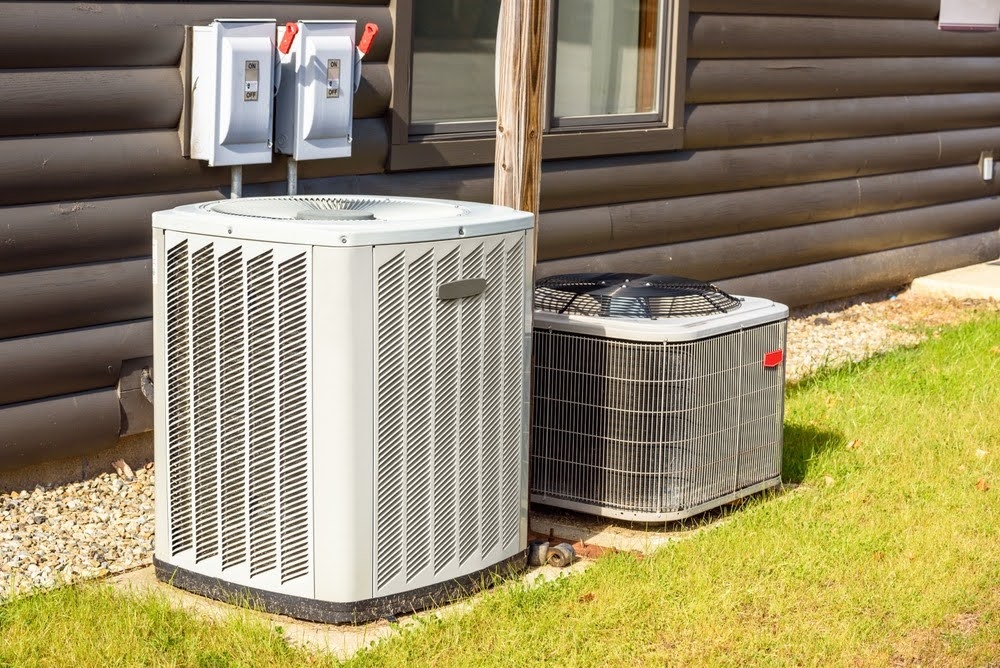
- Keep Your Outdoor Condenser Clear: Inspect your outdoor unit regularly. Trim back bushes, weeds, and tree branches to leave at least two feet of clear space around the unit. Remove any grass clippings, dead leaves, or dirt that have accumulated on the metal fins to ensure the system can vent heat efficiently.
- Optimize Your Thermostat Settings: Avoid the temptation to crank your thermostat down to 68°F on a 95°F afternoon. Your AC cools at the exact same rate regardless of how low you set it. Try setting your thermostat to 78°F when you are home and 82°F when you are away. Every degree you raise the temperature reduces the strain on your system and saves money on your utility bill.
- Use Ceiling Fans Wisely: Ceiling fans create a wind-chill effect on your skin, making a room feel up to four degrees cooler than it actually is. Just remember that fans cool people, not rooms—turn them off when you leave the space to save electricity.
Keep Your Cool with JB’s Contracting & Maintenance
When the heat waves hit Marianna, having a reliable HVAC professional in your corner makes all the difference. While DIY tips go a long way in protecting your system, they cannot replace the precision of a professional tune-up.
At JB’s Contracting & Maintenance, our skilled, friendly home services division specializes in complete HVAC preventative maintenance. From measuring refrigerant charges and flushing condensate drains to tightening loose electrical connections and checking compressor health, we do it all. We pride ourselves on offering responsive, transparent service, providing North Florida families with the perfect balance of exceptional technical workmanship and neighborly customer care.
Don’t let the heat get the best of your home this summer. Contact JB’s Contracting & Maintenance today to schedule your professional AC tune-up and ensure your home stays a comfortable, cool haven all season long!